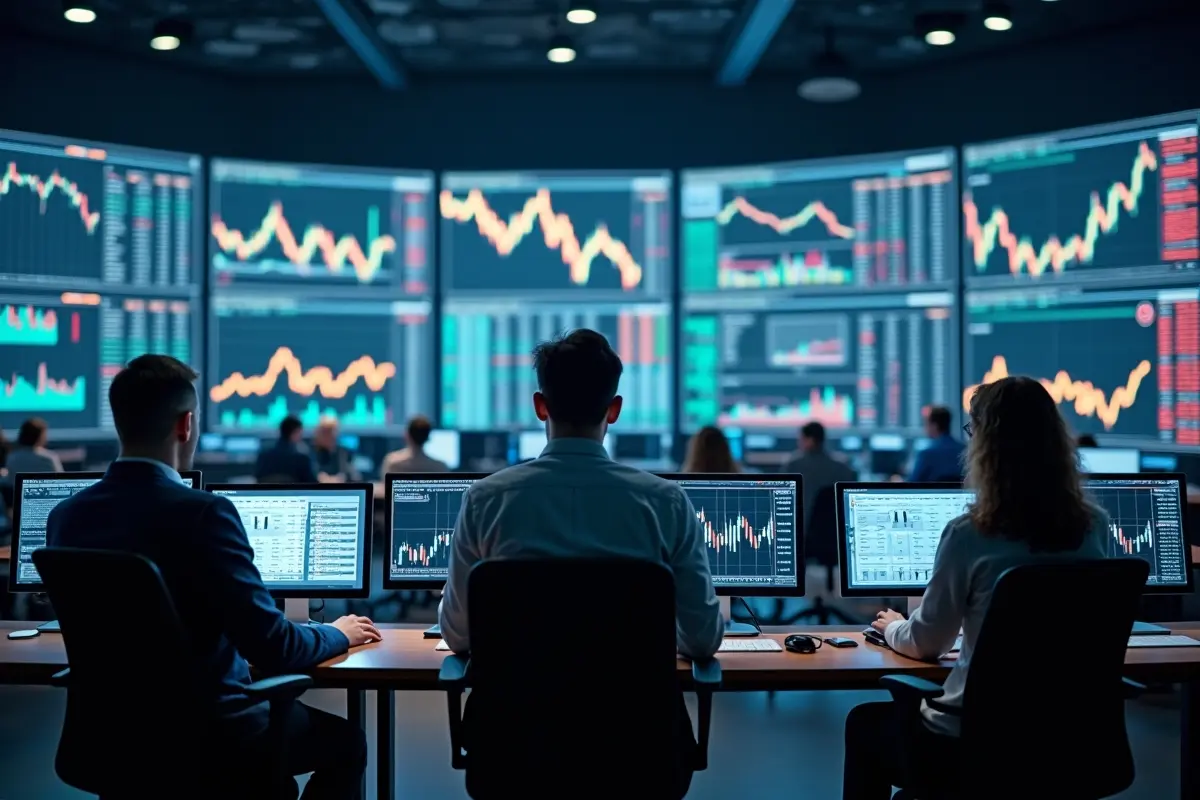
Algorithmic trading, also known as algo trading, has fundamentally changed the landscape of financial markets. Modern trading frameworks leverage computer programs to buy and sell financial instruments based on complex rule sets and real-time data. Whether processing market signals or executing trades automatically, these algorithms operate at speeds and volumes far beyond human capacity, enabling traders to capture fleeting opportunities and optimize asset management strategies.
The widespread adoption of algorithmic systems has generated new opportunities for both institutional and retail investors to enhance their trading performance through platforms like https://ridgeline.ai/platform/trading, which seamlessly incorporate algorithmic tools into the investment process.
In 2024 alone, high-frequency trading algorithms generated $10.4 billion in revenue, and forecasts project this figure will reach $16 billion by 2030. The explosive impact of these solutions highlights how algorithms are redefining market dynamics and reshaping investor interactions with global markets. Notably, the increase in algorithm adoption delivers liquidity and transparency across the trading landscape, but it also demands adaptation from market participants on every level.
Market participants, including hedge funds, banks, and private investors, use algorithms to gain a competitive edge. The automation of substantial trading volumes mitigates latency, reduces slippage, and enables traders to react instantaneously to market events. Fractional penny improvements in high-frequency trading can add up to sizable profits, further cementing the importance of adopting advanced trading technology.
However, as algo trading has become accessible to a broader audience, it has also driven greater market complexity, making it vital for traders to stay informed about the latest innovations transforming the field. Investors interested in learning more about algorithmic trading strategy development or best practices can refer to comprehensive resources on algorithmic markets.
Technological Innovations Driving Change
Several pivotal technologies power the dramatic evolution of algorithmic trading:
- Artificial Intelligence (AI) and Machine Learning (ML): These systems leverage historical data to identify subtle market patterns, learn from experience, and adapt trading strategies as new data becomes available. AI-driven trading models handle everything from basic order execution to complex portfolio optimization, raising the standard for how trades are analyzed and conducted across the market.
- Blockchain Technology: Blockchain solutions deliver enhanced transaction security, full auditability, and transparency across trading environments. By maintaining distributed, tamper-proof ledgers, blockchain helps automate trust between trading parties and simplifies regulatory compliance through verifiable transaction histories.
- Cloud Computing and Big Data Analytics: The emergence of scalable cloud infrastructure and robust data processing capabilities has made it possible to run complex algorithms on enormous datasets, supporting rapid backtesting and facilitating the deployment of adaptive trading models without the heavy investments traditional IT infrastructure requires.
These innovations not only enhance performance but also enable the integration of new data sources, such as social sentiment and alternative market signals. This flexibility allows algorithms to provide unprecedented predictive power, reducing surprises and improving risk-adjusted returns. The interplay among these technologies creates a dynamic environment where breakthroughs can swiftly translate into strategic advantages.
Benefits of Algorithmic Trading
Adopting algorithmic solutions brings a host of tangible advantages to both financial institutions and individuals:
- Increased Efficiency: Algorithms act on opportunities as soon as they are detected, improving execution speed and minimizing delays that could erode profits.
- Cost Reduction: By replacing manual processes with automated systems, firms can reduce operational expenses and avoid costly human errors, thereby boosting overall efficiency.
- Enhanced Market Liquidity: Algorithms, particularly those involved in high-frequency trading, create consistent buy and sell activity, which narrows spreads and makes it easier for all market participants to transact seamlessly.
Algorithmic trading solutions also democratize access to advanced trading tools. New entrants can participate in markets that were historically accessible mainly to large institutions, helping to level the playing field for individual investors.
Challenges and Considerations
Despite offering significant benefits, algorithmic trading is not immune to challenges:
- Regulatory Scrutiny: As algorithmic systems reshape trading, regulators have ramped up oversight to maintain fair and orderly markets. Firms must ensure their trading programs comply with evolving guidelines to minimize market disruptions or abuses.
- Ethical Concerns: With some algorithms operating as “black boxes,” questions arise around transparency, accountability, and the ethical design of decision-making models. Traders must navigate these issues carefully to preserve trust and integrity in market operations.
- Systemic Risks: Reliance on automated systems means technical malfunctions, ill-conceived strategies, or “flash crashes” can threaten market stability. Robust risk management procedures and real-time monitoring are essential for mitigating these potential pitfalls.
Market participants must remain vigilant, balancing innovation with effective oversight and ethical responsibility to ensure long-term market health.
Real-World Applications
Algorithmic trading is now broadly accessible, spanning from major financial institutions to individual traders. Retail investors can deploy algorithmic models through a diverse array of online trading platforms, opening access to advanced strategies that were unimaginable even a decade ago.
A prominent example is the Arizona Financial Text System, which mines financial news to generate actionable insights and predictive models of stock price movements. This system illustrates the practical advantages of combining alternative data and algorithmic routines when executing trades in complex, fast-moving markets.
Future Outlook
The future landscape of trading will become increasingly reliant on technology. As AI and machine learning tools advance, they will yield smarter, more adaptive trading algorithms that can operate autonomously and evolve in response to shifting market conditions. Quantum computing, though in its early days, holds the promise of accelerating computations and further revolutionizing how algorithms process market signals and optimize trades.
With these advances, both regulatory frameworks and best practices will need to keep pace to ensure robust and ethical adoption. Market participants who invest in continuous learning and adaptability will be best equipped to extract value from future shifts in the trading ecosystem.
Conclusion
Algorithmic solutions are fundamentally transforming how trades are executed across the globe. By blending efficiency, accuracy, and innovation, they are unlocking new capabilities for both institutional and individual traders. The technology’s trajectory promises a future where markets are more responsive, inclusive, and resilient—but harnessing these possibilities will mean proactively managing risks, upholding transparency, and remaining flexible in a rapidly evolving environment.