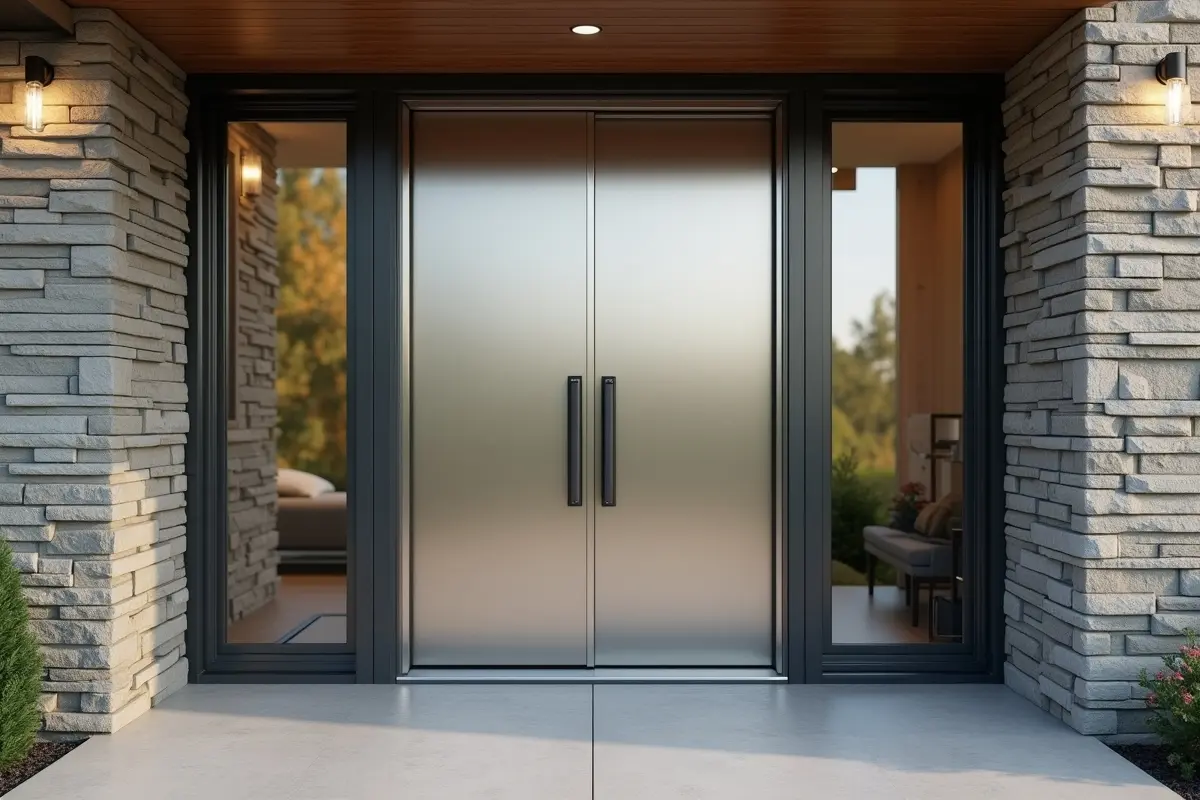
Choosing the ideal entry door for your home is a decision that affects your home’s curb appeal, security, comfort, and even your energy bills. The entry door is among the first things visitors notice and plays a significant role in creating a welcoming first impression. With a broad spectrum of options available, understanding what to look for ensures you select a door that aligns with your home’s style and meets your practical needs. To explore a wide variety of options, you consult with experts at https://grandentrydoors.com/shop-by-collection/ for inspiration and ideas on the latest door trends and collections.
From classic wood to high-performance steel and advanced fiberglass designs, today’s entry doors offer much more than simple passageways. They feature innovations that boost energy efficiency, maximize safety, and highlight your personality through design and color. Choosing carefully will help you achieve aesthetic harmony, peace of mind, and durability for years to come.
Consider the climate of your region and your appetite for door maintenance when making your selection. While wood may be suitable for a dry environment, fiberglass or steel could be optimal choices for more humid or extreme climates. Additionally, don’t overlook the impact that the right door can have on your home’s overall value — modern doors with excellent insulation and security features can even increase its resale value.
Another crucial aspect to consider is matching the door style with your house’s architecture, as this maintains design consistency, prevents clashing aesthetics, and enhances the property’s character. Continue reading for a comprehensive breakdown of the key factors to consider before making your decision.
Material Selection
The materials chosen for your entry door affect both the appearance and the long-term resilience of your entrance. Homeowners typically select from three popular materials, each offering unique benefits:
- Wood: Renowned for its timeless appeal and warmth, wood provides a strong visual impact. However, it also requires regular care, such as repainting or refinishing, especially in harsh weather conditions.
- Fiberglass: Excellent at mimicking wood grain while being highly resistant to warping, rotting, or swelling. Fiberglass doors hold up well in extreme climates and demand much less maintenance than wood.
- Steel: Steel doors are favored for their security and affordability. Modern steel doors are often insulated for improved energy savings; just ensure finishes are kept intact to prevent rust in damp environments.
The optimal door material depends on factors like regional weather, exposure to sunlight, and your willingness to undertake routine maintenance. Those living in coastal or hurricane-prone locations, for example, might benefit from fiberglass or reinforced steel to withstand humidity and storms.
Style and Design
Choosing the right entry door style is an opportunity to reflect your personal taste while ensuring your home’s facade remains visually cohesive. Here are some design guidelines to consider:
- Modern Homes: Sleek, flush doors or bold colors paired with narrow sidelights can accentuate a contemporary vibe.
- Traditional Homes: Paneled or carved wood doors with classic grilles or stained glass inserts offer charm that suits older, traditional architecture.
- Contemporary Homes: Combining materials such as glass and steel, or incorporating asymmetrical designs, can add a unique flair.
Finishes and colors should echo other elements, such as window frames or porch railings, to create harmony. Hardware, such as handle sets, knockers, and address plates, also provides opportunities for further customization and character.
For more design tips and color inspiration, review reputable sources such as Homes & Gardens, which showcases trends and timeless ideas on entryway appeal.
Energy Efficiency
A well-insulated entry door is essential for controlling indoor temperature and reducing energy costs. When shopping for energy-efficient entry doors, look for the following features:
- Insulated Cores: Many modern doors now feature polyurethane or polystyrene foam within their cores, drastically reducing heat transfer.
- Weatherstripping: Properly sealed doors prevent drafts, minimizing the workload for your HVAC system during both winter and summer.
- Energy Star Certification: This label ensures your entry door meets stringent thermal performance standards that can save you money and reduce environmental impact.
If your design includes glass features, prioritize units with double or triple-pane Low-E glass for optimal insulation. This type of glass retains heat in winter while deflecting it during the summer, ensuring consistent comfort throughout the year.
Security Features
Front doors are often the primary target for attempted intrusions. Investing in enhanced security features helps safeguard your family and valuables. Steel doors inherently offer greater strength, but advanced locking systems also make a tangible difference.
- Locks: Opt for premium deadbolts, multi-point locks, or smart lock systems for enhanced protection compared to basic knob-and-latch mechanisms.
- Reinforced Frames: A sturdy frame is as vital as the door itself—metal strike plates and reinforced hinges prevent forced entry attempts.
- Security Hardware: Peepholes, smart cameras, and door viewers provide an additional layer of monitoring and deterrence.
When installing new security features, consult recommendations from trusted authorities to help you weigh the benefits of specific lock types and materials.
Installation and Maintenance
Even the best door cannot perform optimally without correct professional installation. It’s important that:
- The frame is plumb, square, and properly sealed to prevent air and water intrusion.
- Weatherstripping and thresholds are installed according to the manufacturer’s specifications for airtight results.
- All locking hardware is fitted for consistent and reliable use.
Routine maintenance ensures your entry door continues to function well and maintain its appearance. Wooden doors generally require refinishing, while fiberglass and steel doors can be kept fresh with periodic cleaning and lubrication of their moving parts. Promptly address any chips, scratches, or hardware issues to maximize the longevity of your investment.
Taking these factors into account allows you to select an entry door tailored to your personal style, the demands of your climate, and your security needs. With diligent care and the right choices, your new door will serve as a beautiful, functional entryway for many years.