Electrical services are more dynamic now than ever before, serving as the backbone for both modern infrastructure and future-ready solutions. The evolution of electrical technology is shaping the way energy is generated, distributed, and consumed. With new innovations continually emerging, professionals and businesses are finding more effective ways to increase efficiency, reduce environmental impact, and deliver smarter solutions for their clients. Companies like Livingston Electric play a pivotal role in helping communities and organizations stay ahead in this changing landscape.
Advanced digital technologies—from smart grids and automated building systems to the widespread adoption of renewable energy—are revolutionizing how electrical systems operate. These innovations not only foster sustainability but also ensure a higher degree of reliability and safety for end-users. As demands shift and technology advances, the electrical industry continues to lead the charge toward a cleaner and more reliable energy future.
Smart Grids: The Backbone of Modern Electrical Systems
Traditional power grids are giving way to smart grids, which leverage digital communication and real-time analytics to monitor energy flow, detect faults, and optimize electricity distribution across vast networks. This digital transformation enables early detection of outages or inefficiencies, driving down maintenance costs and improving reliability.
Utilities implementing smart grids can respond to shifting demand more fluidly, even incentivizing users to adjust their energy use during peak times to maintain a stable and efficient grid. According to the Department of Energy, modern smart grids are crucial for integrating renewable energy sources and managing complex demand scenarios, contributing to a more resilient energy infrastructure.
Renewable Energy Integration
The movement toward integrating solar, wind, and other renewable energy sources is redefining the energy sector. Electrical professionals are increasingly relied upon to design, install, and maintain renewable systems and microgrids that lessen reliance on fossil fuels. This not only lowers a community’s carbon footprint but also provides greater autonomy and resilience, especially during severe weather events.
Ongoing government incentives drive adoption, making the electrical field more pivotal in advancing sustainability efforts worldwide. A report by the International Energy Agency highlights the rapid growth of renewables and the importance of skilled electrical service providers in facilitating the transition.
Advanced Energy Storage Solutions
Batteries and other advanced energy storage technologies have become indispensable to the modern energy ecosystem. They enable homes and businesses to store excess energy generated during low-demand periods for use during peak hours or power outages, thereby enhancing grid stability and supporting the fluctuating supply from renewable sources.
As battery technology improves in terms of cost, efficiency, and capacity, it unlocks the potential for broader adoption of clean energy solutions and makes grids more resilient overall. These advances are increasingly essential for reliable, 24/7 power regardless of weather or market disruptions. Recent developments, such as the creation of multiscale reduced graphene oxide (M-rGO), have significantly boosted the performance of supercapacitors, offering faster charging and greater capacity for energy storage applications.
Electric Vehicle Charging Infrastructure
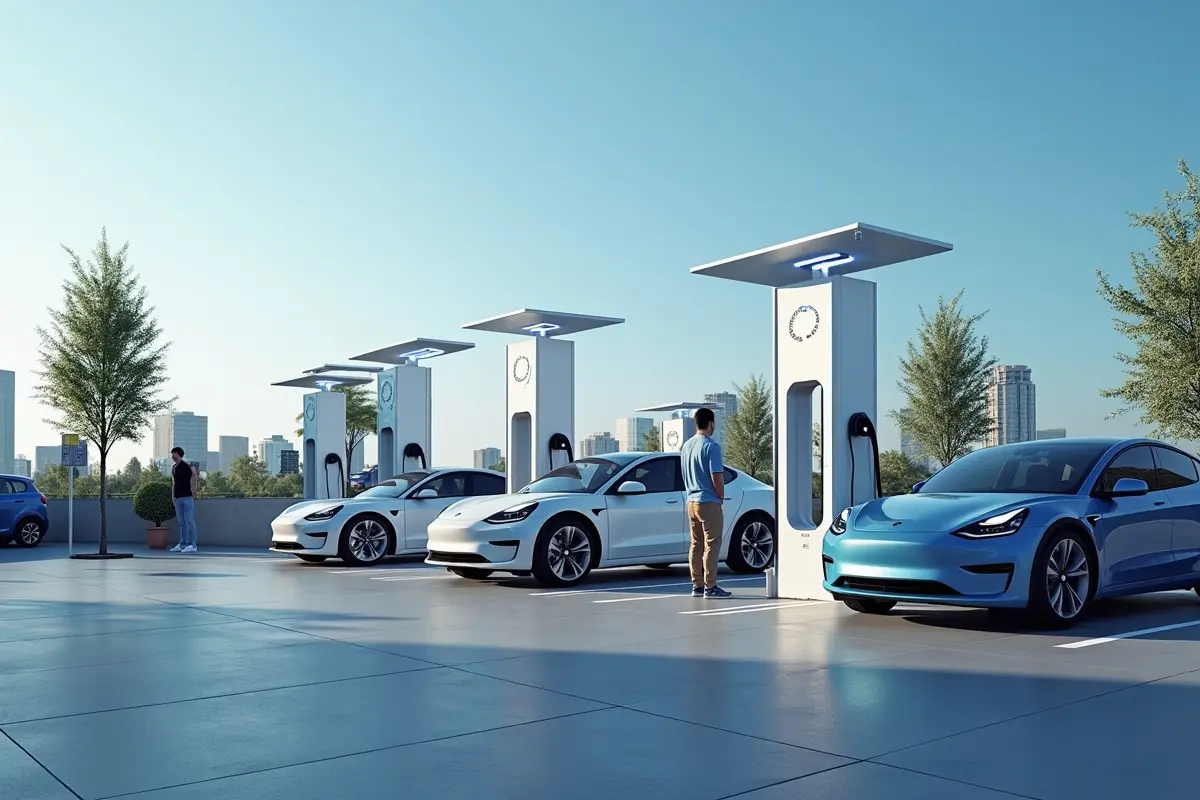
The electrification of transportation continues to gain momentum as electric vehicles (EVs) become more accessible. This shift brings with it a rising demand for robust, widely available EV charging infrastructure. Electricians now specialize in designing and installing charging solutions for homes, businesses, and public spaces, including high-speed charging systems that add convenience for EV drivers.
For businesses, offering charging stations not only attracts customers and employees but also demonstrates a commitment to sustainability. The buildout of this infrastructure is a fundamental step toward reducing greenhouse gas emissions from transportation.
Building Automation and Smart Systems
Modern electrical services extend far beyond outlets and wiring—today’s commercial and residential buildings often boast sophisticated automation and control systems. Sensors, artificial intelligence, and advanced building management systems allow for real-time monitoring and automatic adjustment of lighting, HVAC, and other energy-consuming systems. This not only lowers utility bills but also boosts comfort and productivity for building occupants.
The progressive implementation of these systems is crucial for achieving energy efficiency goals in both new and existing buildings. More insights on smart building technology and energy efficiency can be found in recent reports and articles on the subject.
Fault Managed Power: A Safer Approach
Fault Managed Power (FMP), or digital electricity, represents a cutting-edge method for delivering safe, high-capacity power over long distances with enhanced monitoring and control. Unlike traditional methods, FMP actively detects and manages faults in real time, reducing safety hazards and enabling power delivery in environments where conventional conduits may fall short.
This is particularly valuable in scenarios such as large commercial complexes, hospitals, and densely populated urban developments, where safety and flexibility are paramount. FMP’s scalability and intelligent monitoring also make it an ideal solution for future-ready infrastructure. Companies like VoltServer are expanding the digital electricity ecosystem through strategic partnerships, thereby advancing the adoption of fault-managed power systems.
Conclusion
The rapid pace of innovation in electrical services underscores the vital importance of adaptation and continued learning, both for industry professionals and clients. Smart grids, renewables, energy storage, EV infrastructure, building automation, and advanced power distribution methods converge to form the shape of tomorrow’s energy landscape. Staying ahead of these trends means embracing new technologies and being proactive about sustainability, efficiency, and resilience—priorities that will define the future of electrical services.