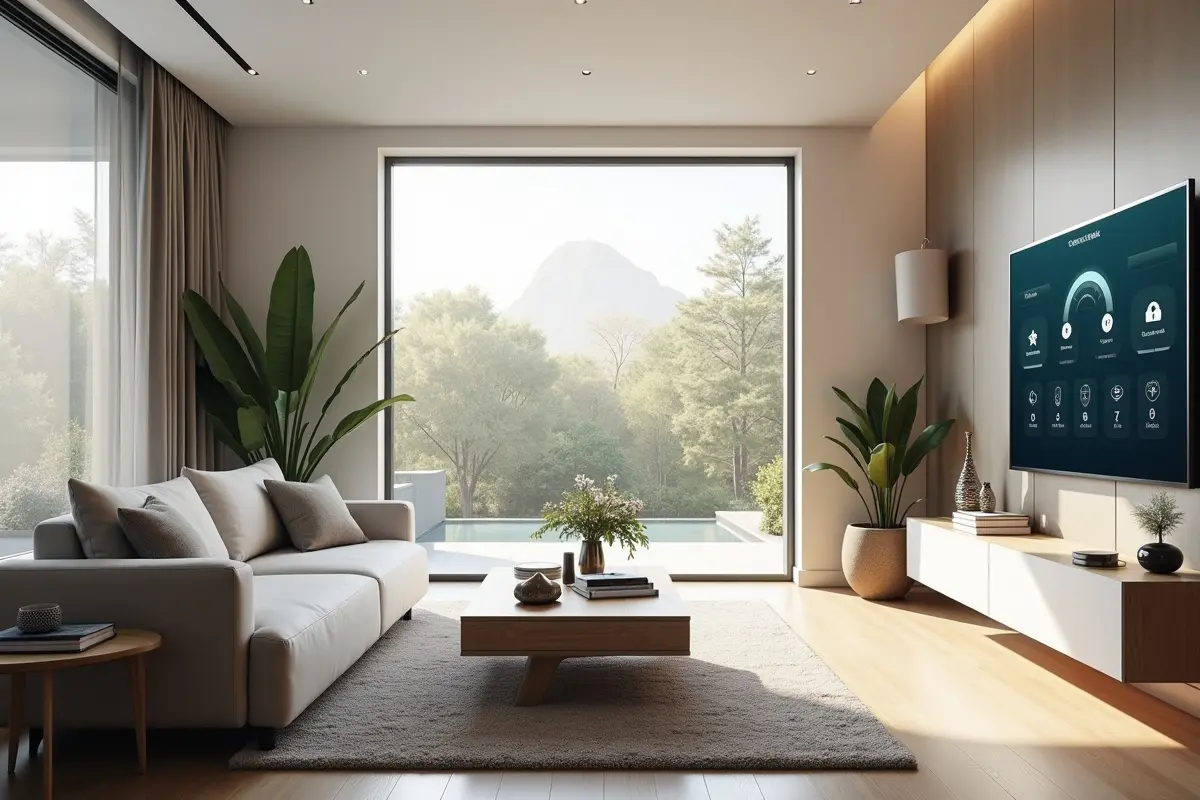
Smart home technology has gone from an ambitious vision to a daily necessity. By providing seamless communication between devices and systems, homeowners can now experience unmatched convenience, improved efficiency, and enhanced security all from the palm of their hand. For those considering upgrading their living spaces, Bend OR real estate experts Team Fitch Real Estate can guide you to properties already equipped with next-generation smart features.
The world of smart home technology is evolving rapidly. People are integrating intuitive devices that manage everything from lighting and temperature to security and wellness. As modern living continues to be reshaped by these innovations, understanding their benefits and challenges is key to making informed choices that truly enrich life at home.
Homeowners are embracing interoperability, where different systems from smart speakers to connected refrigerators work together to elevate the living experience. By adopting this technology, people can automate routines, conserve resources, and enjoy peace of mind whether they’re at home or away. Exploring these advancements means recognizing both the promises and the considerations that come with smart integration.
Additionally, the surge in smart home adoption is closely tied to eco-conscious living, personal safety, and wellness priorities. These systems deliver real-time feedback and remote control capabilities, helping families stay comfortable, healthy, and secure in their spaces. As adoption grows, meaningful conversations around privacy, costs, and future trends have taken center stage and for good reason.
Energy Efficiency and Sustainability
The impact of smart home devices on energy efficiency and sustainability cannot be overstated. Advanced thermostats, smart plugs, and automated lighting systems adjust settings by learning the occupants’ habits and occupancy schedules, resulting in significantly lowered energy usage and utility costs. Homeowners can monitor and control usage from anywhere, ensuring appliances aren’t running unnecessarily.
For example, smart thermostats like Google Nest or Ecobee utilize artificial intelligence to learn homeowners’ daily routines, optimizing heating and cooling accordingly. These improvements are not only cost-effective but also support larger environmental goals by reducing overall carbon footprints. Today’s technology also integrates renewable energy sources, allowing easier management of solar panels or battery storage systems from a central dashboard.
Enhanced Security Measures
Enhanced security is central to smart home technology. Smart locks, doorbell cameras, motion sensors, and remote monitoring systems offer new levels of protection and peace of mind. These interconnected systems allow homeowners to view live video feeds, monitor entry points, and receive instant alerts, all via their smartphones or tablets.
One of the greatest benefits is the flexibility homeowners can generate time-limited access codes for guests or service providers, track who enters and leaves, and automate lights to deter potential intruders. Integration with emergency services can enable rapid responses to break-ins or fire alarms, making it safer than ever to monitor and manage properties remotely.
Health and Wellness Integration
Health and wellness have become major drivers of smart home adoption. Devices such as air quality sensors detect harmful pollutants and allergens, triggering filtration systems to maintain a safe environment. Smart lighting systems dynamically adjust brightness and color temperature based on the time of day or activity, helping support natural circadian rhythms for better sleep quality.
Kitchen technology is also part of the wellness revolution. Refrigerators can suggest healthy recipes based on current inventory, and water quality monitors ensure families consume clean, pure water. Coupled with reminders to hydrate or be active via smart speakers, homeowners are finding it easier than ever to prioritize their health throughout the day.
Personalized Living Experiences
The fusion of artificial intelligence (AI) and the Internet of Things (IoT) is ushering in a new era of personalization. AI-driven hubs and assistants remember individual routines and preferences, automatically customizing everything from temperature and lighting to entertainment and even scent diffusers, making daily life intuitive and comfortable.
For families, this might mean automated morning routines with favorite music, coffee brewing, and a personalized weather update as soon as someone wakes up. Children’s lighting, entertainment restrictions, and wellness reminders can be adapted to individual needs, creating a living space that evolves alongside its occupants.
Challenges and Considerations
Despite the benefits, homeowners face important challenges when adopting smart home technology. Privacy is a key concern, as many devices gather sensitive data that must be protected from breaches or misuse. Ensuring systems use secure encryption and are regularly updated is crucial to keeping data safe.
Furthermore, the complexity and cost of initial installation can present barriers to entry. Some homeowners may find integrating multiple brands or systems frustrating if standards aren’t compatible. Ongoing education on safe use, data privacy, and proper device maintenance is essential to maximize the benefits of a smart home while minimizing risks.
Future Trends in Smart Home Technology
The future of smart home technology promises deeper integration and greater accessibility. Advances in AI and machine learning will further enhance automation, allowing homes to anticipate the needs of their residents and act proactively adjusting indoor climate before weather changes, for example, or alerting homeowners to equipment maintenance long before failure occurs.
Interoperable standards are set to simplify communication between devices from different manufacturers, making integration more convenient and user-friendly. As costs decrease, a wider demographic will be able to tap into the comfort and security smart homes offer, helping bridge the digital divide.
As urbanization and sustainability continue to shape housing trends, smart home technology is likely to play a central role in creating more efficient, responsive, and environmentally friendly living environments in the coming years.
Conclusion
Today’s smart home technology brings together convenience, safety, and sustainability, reshaping what it means to live well. By staying informed about both opportunities and challenges, homeowners are well-positioned to create living spaces that are truly attuned to their unique lifestyles and future needs.