The reliability of power supplied to control systems is fundamental to the safe and efficient operation of automated environments. Industrial control transformers serve as the backbone of industrial control systems, ensuring equipment and machinery receive regulated voltage for uninterrupted functionality. As manufacturers demand more consistent and fault-tolerant power sources, the role of these transformers grows increasingly vital.
In the context of industrial automation, quality control transformers play a vital role in preventing electrical faults and ensuring system integrity. They isolate control circuits, protect sensitive electronics, and maintain voltage levels under irregular conditions, leading to decreased downtime and increased productivity.
As manufacturers utilize advanced equipment, these transformers must provide resilient performance, manage surges, minimize noise, and adjust to variable loads. The proper selection and application of control transformers have become essential for modern manufacturing, underscoring their strategic importance in maintaining operational efficiency.
Understanding Industrial Control Transformers
These transformers are specialized devices engineered to deliver steady, low-voltage power to control systems such as relays, contactors, and sensors. Their primary function is to ensure stable voltage for control circuitry, even when the power supply to the main plant equipment experiences fluctuations.
By stepping down voltage and providing electrical isolation, they safeguard control components from damaging voltage spikes and transients that could otherwise trigger operational failures or create safety risks.
Essential Design Factors
Designers and plant engineers are tasked with evaluating several critical factors when specifying transformers for industrial control applications:
- Voltage Regulation: Maintaining a constant voltage output, regardless of load fluctuations, is crucial for preventing equipment malfunctions and preserving sensitive control circuits.
- Load Isolation: Electrical separation between control and power circuits minimizes the risk of interference and equipment failure due to transient events or power system faults.
- Inrush Current Handling: The device must handle high inrush currents typically encountered during the startup of motors and solenoids, preventing voltage drops that could affect downstream electronics.
- Thermal Performance: Heat buildup can decrease the lifespan and reliability of transformers. Efficient cooling and thermal management strategies ensure optimal performance even in high-duty cycles or enclosed environments.
Technological Advancements
Technology upgrades in transformer design are transforming operational reliability and efficiency:
- Advanced Core Materials: The adoption of amorphous metal alloys in transformer cores reduces core energy losses, enhancing efficiency and contributing to lower operational costs.
- Precision Coil Winding: Automated coil winding optimizes consistency and reduces the risk of defects, leading to increased product reliability, especially crucial for demanding and safety-critical industries.
- Digital Monitoring: Embedding sensors and digital controls enables real-time monitoring, predictive maintenance, and proactive troubleshooting, significantly reducing unplanned outages.
Applications in Modern Manufacturing
Control transformers power a diverse range of automation solutions, making them integral to various subsets of manufacturing:
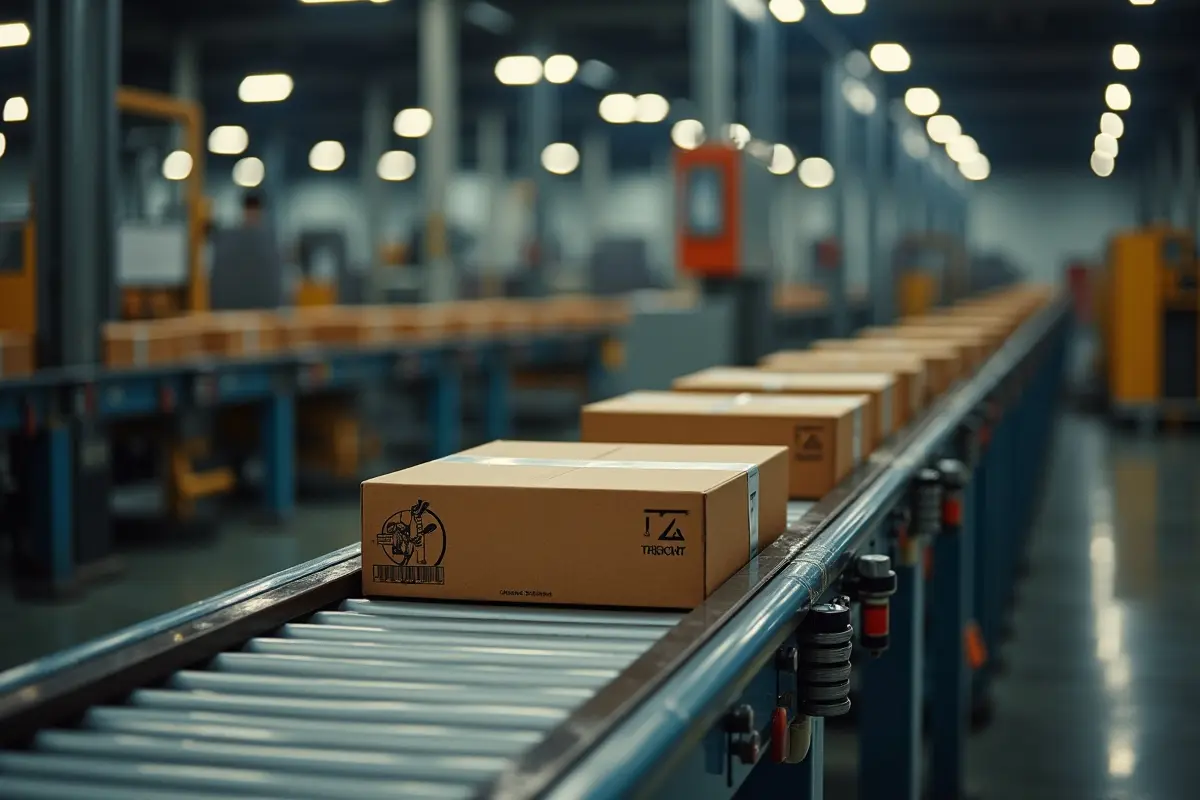
- Conveyor Systems: Ensuring the steady operation of motors, sensors, and automated gates to move products efficiently with minimal human intervention.
- Automated Assembly Lines: Delivering regulated voltage for control relays, solenoids, and PLC modules, which maintain process accuracy and production speed.
- Packaging Equipment: Providing consistent and clean power to devices that rely on precise timing for filling, labeling, and sealing operations.
Their versatility has also facilitated innovations in robotics, material handling, and process control, enabling the high-throughput, agile manufacturing systems that define Industry 4.0 environments.
Environmental Considerations
Sustainability is increasingly shaping the transformer market. Manufacturers are opting for eco-friendly materials, such as biodegradable insulating fluids and recyclable steel, to lower environmental impact. Energy-efficient transformer designs not only help comply with stringent energy regulations but also contribute to corporate sustainability targets. Reducing standby losses and operating temperatures means lower energy consumption and a smaller carbon footprint for energy-intensive industrial sectors.
- Eco-Friendly Materials: Adoption of non-toxic, biodegradable insulation fluids over traditional mineral oils enhances the environmental stewardship of companies.
- Energy Efficiency: Design modifications that minimize core and copper losses drive down operational expenses and meet green manufacturing benchmarks.
Market Trends
The global industrial control transformer market is experiencing rapid growth against the backdrop of increasing automation and rising energy demands. According to industry analyses, the market is expected to reach $1.48 billion by 2030, driven by a compound annual growth rate (CAGR) of 5.3%.
This surge is underpinned by a sharper focus on sustainable production, robust adoption of automation, and a drive for uninterrupted power quality across industries. These evolving requirements are prompting manufacturers to introduce smarter, longer-lasting, and more environmentally friendly transformer solutions.
Modern industries seeking to future-proof processes are therefore investing in highly customizable, digitally enhanced control transformers that align with emerging trends in smart manufacturing and sustainability initiatives.
Conclusion
Industrial control transformers remain pivotal to the reliable and energy-efficient operation of modern manufacturing plants, forming the core of safe and continuous industrial automation. By incorporating key design principles and leveraging current innovations—ranging from advanced materials and precision engineering to digital integration and sustainability—businesses can establish robust power infrastructure with the flexibility and intelligence required to thrive in a rapidly evolving manufacturing landscape.