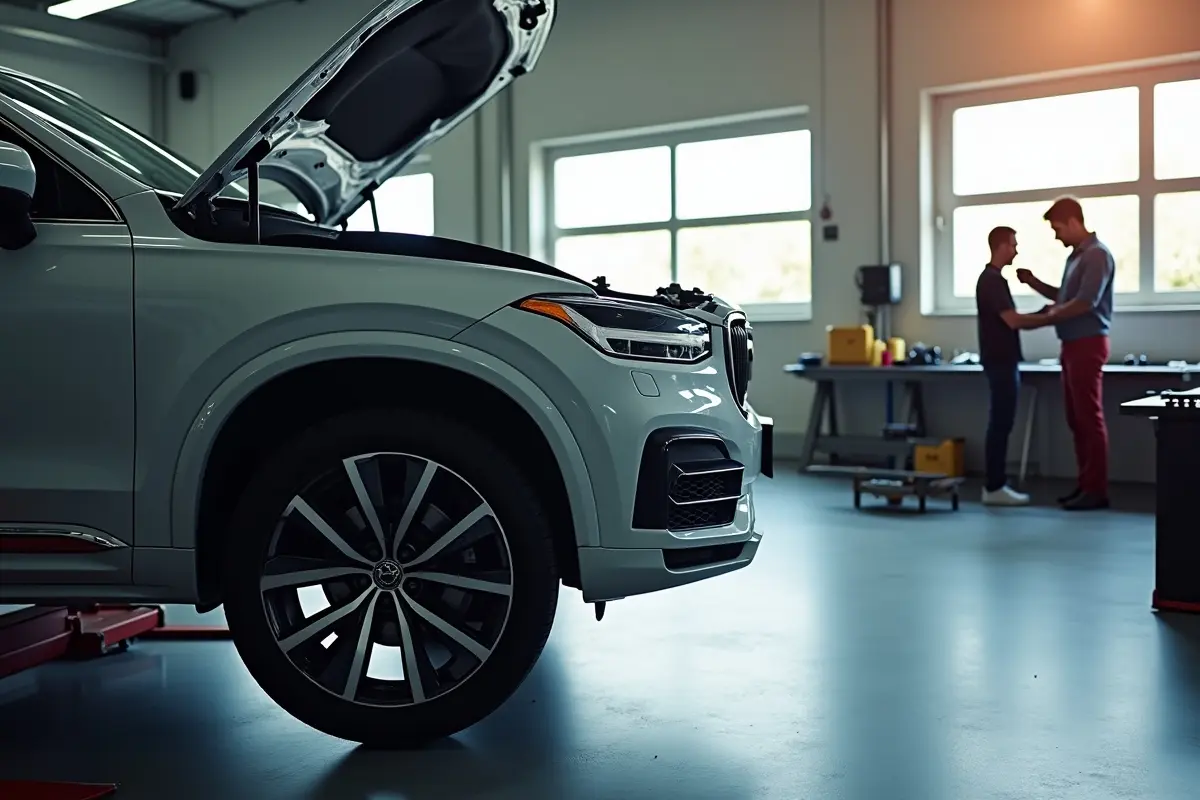
Every car owner wants their vehicle to perform efficiently and remain dependable for as long as possible. Following proper maintenance routines is crucial to achieving these goals. Not only does regular care improve road safety and keep your car running smoothly, but it also helps prevent costly repairs in the future. By working with professionals who specialize in auto repairs, you can ensure your vehicle receives the attention it needs to stay reliable year-round.
Establishing a maintenance routine might seem overwhelming at first, but understanding the essentials empowers car owners to take proactive measures. When you know how to spot potential problems and keep vital systems in check, you safeguard both your peace of mind and your investment in your vehicle.
Having your vehicle checked by a trusted car mechanic can provide an extra layer of assurance, especially for those unsure about tackling certain tasks themselves. These professionals have the expertise and tools to diagnose issues early and maintain systems that may get overlooked during DIY maintenance.
Regular Oil Changes
The importance of oil changes in maintaining engine health cannot be overstated. Oil lubricates vital engine components, minimizing wear and dispersing heat that accumulates during operation. Over time, oil breaks down and accumulates dirt, which can increase friction and cause serious engine damage.
For most modern vehicles, oil should be changed every 5,000 to 7,500 miles, though specifics may vary based on driving habits and climate. Ignoring this essential task may reduce fuel efficiency and eventually lead to costly engine repairs. Resources from Consumer Reports highlight the importance of following the manufacturer’s oil maintenance guidelines.
Tire Maintenance
Tire care is another cornerstone of safe and efficient driving. Check tire pressure at least once a month, making sure it matches the manufacturer’s recommended level. Underinflated tires wear out faster and increase your vehicle’s fuel consumption. You should also regularly monitor tread depth, as worn tires reduce your grip on the road, especially in wet or slippery conditions. Rotating your tires every 6,000 to 8,000 miles promotes more even wear, which can extend their usable life and enhance overall ride comfort.
Brake System Checks
The braking system is critical to your safety on the road, so keeping a close eye on its condition is necessary. Inspect brake pads and rotors for signs of wear, such as thinning or scoring. These checks are especially important if you notice squealing noises, vibrations, or reduced braking power.
Replacing pads and rotors promptly is necessary for maintaining effective braking and can prevent more extensive (and expensive) problems with the system. According to the National Highway Traffic Safety Administration, properly functioning brakes are essential for preventing accidents and for safe driving.
Fluid Level Monitoring
Several fluids play vital roles in your car’s performance and reliability. You should regularly inspect levels of engine coolant, brake fluid, transmission fluid, and windshield washer fluid. Coolant keeps the engine from overheating, while brake fluid transmits the force needed for effective stopping.
Transmission fluid ensures smooth gear changes, and washer fluid maintains clear visibility during adverse weather. Topping off and replacing these fluids as recommended by your manual can ensure all systems work at peak efficiency and can prevent damage that may lead to breakdowns.
Battery Maintenance
A well-maintained battery is key for dependable vehicle operation, powering everything from engine ignition to interior electronics. Check for corrosion around the battery terminals and clean them as needed. Secure the battery to prevent vibrations, which can shorten its lifespan. If you rarely drive your car, consider using a battery maintainer to keep it from draining completely. Most batteries last 3 to 5 years; annual testing can help you plan replacements and avoid being stranded by sudden failures.
Air Filter Replacement
Engine air filters protect against dirt and debris, which can impair performance and fuel efficiency. A clogged filter can cause the engine to work harder, ultimately affecting power and increasing fuel consumption. Be sure to inspect your air filter at service intervals of 12,000 to 15,000 miles and replace it if it appears dirty or clogged. This economical step can have a big impact on your vehicle’s ongoing health and performance.
Regular Professional Inspections
Even if you handle basic maintenance tasks yourself, entrusting your vehicle to a professional for periodic inspections is wise. A skilled mechanic can detect alignment issues, hidden leaks, or worn parts before they develop into serious problems. Scheduling annual comprehensive inspections is one of the best ways to keep your car in top condition, avoid inconvenient breakdowns, and secure your investment.
Staying proactive with these essential maintenance tasks ensures long-term vehicle reliability, promotes road safety, and can save you money in the long run. Taking the time to care for your car today pays dividends in a smoother, safer, and more enjoyable driving experience for years to come.