The world of residential heating and cooling has undergone a remarkable transformation over the last decade, driven by a desire for greater efficiency, comfort, and sustainability in modern HVAC systems. Once, central air conditioners and furnaces operated with little precision, but advanced technologies, such as mini split heating and cooling systems, now allow homeowners to enjoy highly customized climate control.
These innovative HVAC solutions significantly reduce energy consumption and utility costs while providing the flexibility to customize temperature settings for specific rooms or zones. This control enhances comfort, enabling homes to remain warm during winter and cool in summer, while also minimizing environmental impact through reduced emissions and energy usage. The latest advancements in HVAC technology offer a variety of energy-efficient options suitable for homes of all sizes, incorporating smart automation, renewable energy sources, and sustainable materials.
Today’s systems offer features such as zoning, remote control, and real-time monitoring, enhancing convenience and accuracy. By investing in these advanced systems, homeowners align with evolving standards and expectations, making informed choices critical for optimizing comfort, efficiency, and long-term savings.
Variable-Speed Technology
Conventional HVAC systems have historically operated on a simple principle: run at maximum capacity until the target temperature is hit, then stop entirely. This abrupt on-and-off operation isn’t just energy-intensive; it also causes uncomfortable temperature fluctuations, drafts, and noise as systems power up or down loudly.
Variable-speed technology changes everything by allowing your HVAC system to continuously adjust its output to match the exact needs of your home. This incremental adjustment, often managed with inverter-driven compressors or electronically commutated motors, delivers precise temperature control and smooth, uninterrupted comfort.
Instead of blasting cold or hot air, variable-speed systems gently ramp up or down, minimizing energy waste, maintaining a stable indoor environment, and cutting electricity use by up to 30 percent compared to single-speed units. Reduced noise and less mechanical stress on components result in a quieter home, fewer breakdowns, and lower maintenance costs over the system’s lifespan. The comfort and consistency provided by this technology often become apparent after just a few weeks of use, with many users reporting a dramatic improvement over legacy equipment.
Smart Thermostats and AI Integration
The introduction of smart thermostats has transformed climate control in modern homes. Designed with intuitive interfaces, these devices make it easy to set temperature schedules based on daily routines and preferences. Unlike traditional thermostats, smart models learn from user behavior, automatically refining schedules for optimal comfort and efficiency.
Integration with home Wi-Fi lets you adjust settings from anywhere, whether you’re at work, on vacation, or simply relaxing on the couch, using a smartphone or a voice assistant. Many advanced thermostats employ artificial intelligence (AI) to analyze factors such as outdoor weather, indoor humidity, and usage history, making real-time decisions to maximize both savings and comfort.
Some even provide energy usage reports, helping homeowners spot opportunities to save more. AI integration allows these devices to anticipate your needs with impressive accuracy, ensuring you arrive home to the perfect temperature every day while keeping monthly bills in check.
Eco-Friendly Refrigerants
Refrigerants are crucial to cooling and heat pump systems, but not all are created equal when it comes to environmental impact. Refrigerants such as R-22 and R-410A, once standard, are being phased out globally due to their high global warming potential (GWP) and ozone-depleting effects. Newer alternatives, like R-32, R-454B, and hydrofluoroolefin (HFO) blends, are rapidly gaining ground. These options not only reduce GWP but also operate at higher efficiency, meaning that HVAC systems require less energy to perform the same job.
The switch to these eco-friendly chemicals significantly reduces each system’s carbon footprint, helping both individual households and the planet. For instance, R-32 has proven to deliver up to 10 percent lower energy consumption than traditional refrigerants. Regulatory incentives and ongoing improvements in refrigerant technology are making sustainable cooling accessible for everyone.
Geothermal Heat Pumps
Among the most innovative ways to harness nature’s efficiency is with geothermal heat pumps. By leveraging the earth’s consistent below-ground temperature, these systems provide heating in winter and cooling in summer with unmatched efficiency. Underground loops circulate a liquid solution through pipes buried several feet below the surface, where temperatures remain stable year-round. This allows the system to transfer heat into or out of the home with minimal energy use, reducing heating and cooling consumption by up to 50 percent compared to traditional furnaces and air conditioners.
Despite higher up-front installation costs, primarily due to the groundwork required, federal and state incentives, along with lower operational expenses and increased property value, can make geothermal systems a financially sound investment in the long run. Improvements in drilling technology and loop design continue to lower costs and make geothermal heating and cooling accessible to a broader range of homeowners.
Solar-Powered HVAC Systems
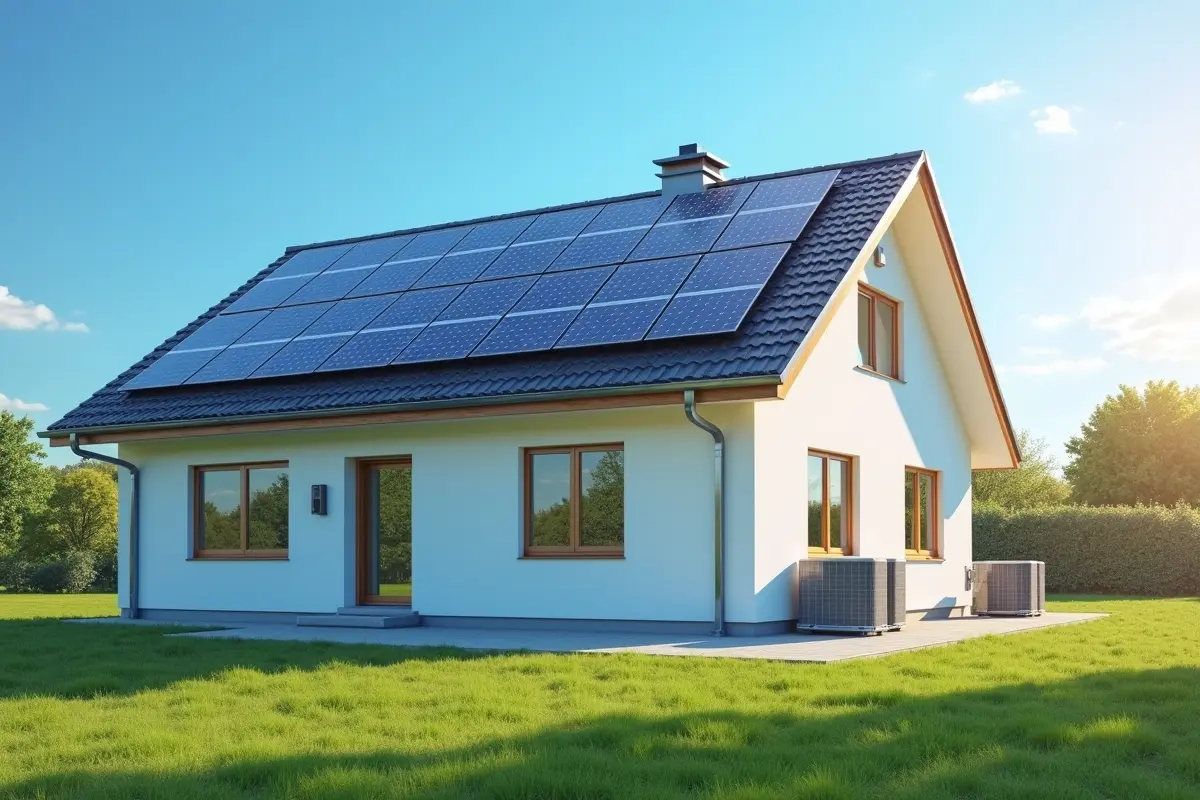
Solar-powered HVAC systems bring the promise of clean, renewable energy directly into the home. By integrating solar photovoltaic panels with high-efficiency electric heat pumps or mini splits, these setups use abundant sunlight to meet most, if not all, of a household’s climate control needs. Solar thermal systems, a related technology, convert sunlight into heat or chilled air for direct domestic use, reducing reliance on the grid.
With the help of federal solar tax credits and continued decreases in panel costs, more homeowners are discovering how financially viable and eco-friendly these options can be. This not only cuts monthly utility expenses but also future-proofs homes against rising energy prices and supply disruptions. For those serious about slashing their carbon footprint, solar-powered HVAC systems are quickly becoming the benchmark.
Enhanced Indoor Air Quality
Today’s most advanced HVAC systems recognize the vital role air quality plays in overall health and quality of life. Innovations include multi-stage filtration, HEPA and carbon filters, and UV-C light technology to target allergens, pollutants, volatile organic compounds (VOCs), and even airborne viruses. Smart air sensors track pollutants in real-time, automatically activating enhanced filtration or increasing ventilation when air quality dips below healthy levels.
Systems may send alerts to occupants when they detect high concentrations of pollen, dust, or chemical pollutants, encouraging timely cleaning or ventilation. Improved air quality is particularly important for sensitive individuals, such as children, seniors, or those with asthma and allergies. This proactive approach helps ensure that everyone breathes easier, stays healthier, and enjoys a fresher indoor environment every day.
Predictive Maintenance
Advanced predictive maintenance, often powered by AI and internet-connected sensors, keeps today’s HVAC equipment running smoothly and efficiently. By continuously tracking data such as run times, temperature differentials, occupancy patterns, and component vibrations, these systems can predict when parts will wear out and when service will be needed.
Homeowners receive automated alerts, often via email or app notification, reminding them to change filters, schedule seasonal tune-ups, or replace worn components before failures occur. Predictive maintenance not only reduces the risk of costly breakdowns but also helps extend the lifespan of expensive HVAC equipment. This approach minimizes the inconvenience of last-minute emergencies, maintains high energy efficiency, and protects your investment year after year.
Conclusion
Modern HVAC technologies offer an unprecedented blend of efficiency, comfort, and eco‑friendliness. Features such as variable-speed systems, intelligent thermostats, next-generation refrigerants, and renewable energy capabilities are redefining home climate control. As these solutions become more accessible, homeowners can look forward to living spaces that are healthier, more comfortable, and more sustainable for years to come. In a world where both energy costs and environmental awareness are on the rise, upgrading to advanced HVAC systems is not just a smart investment; it’s an essential step towards a greener, healthier future for everyone.